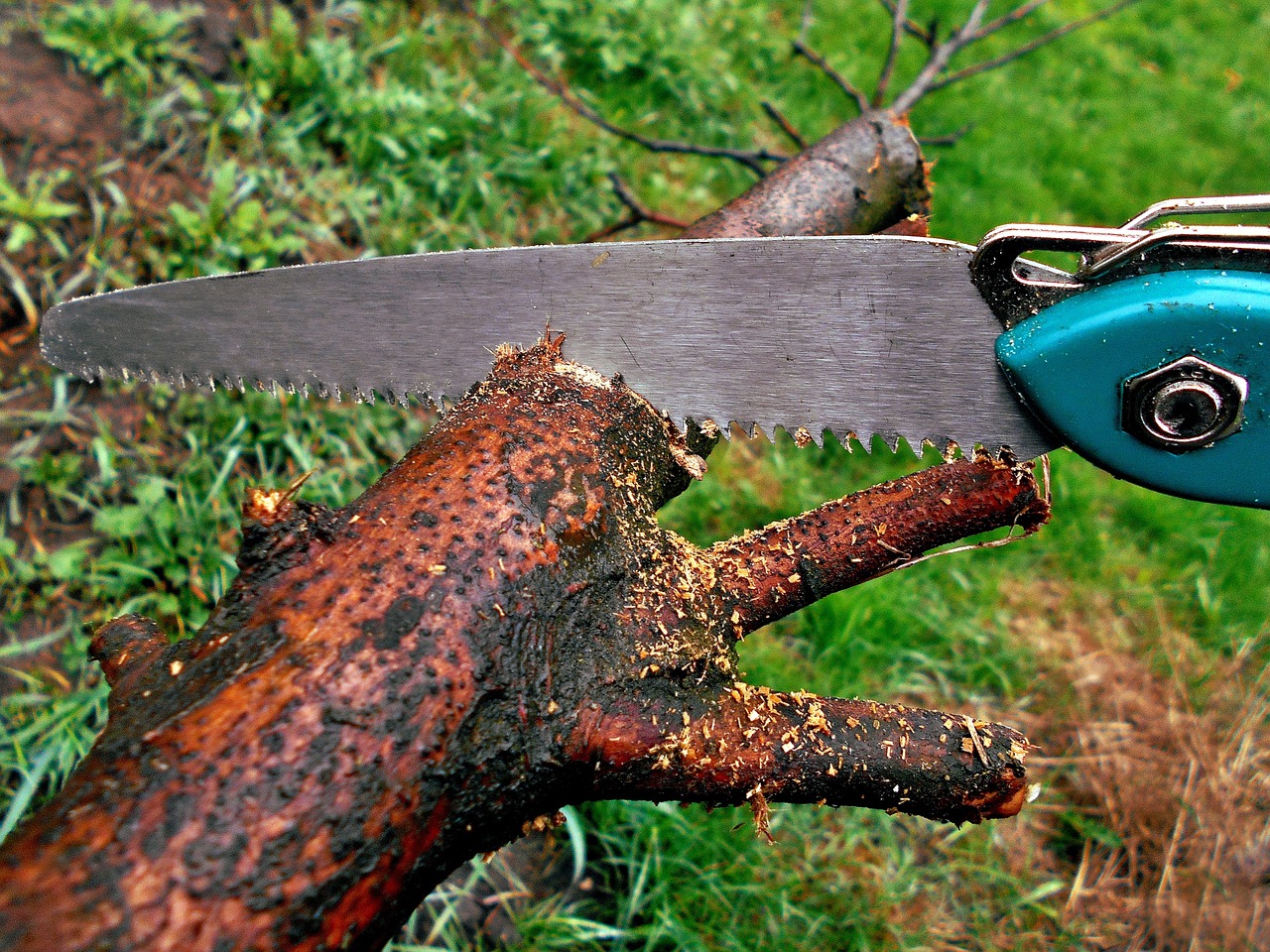
Tree trimming in Rancho Cordova, CA is the planned pruning of residential trees to build strong structure, reduce weight and keep branches clear of homes, driveways and lines. It’s for Rancho Cordova homeowners with young trees that need shaping in newer neighborhoods like Anatolia and Sunridge, and for owners of mature shade trees that have grown heavy, crowded or infested with mistletoe in older parts of the city. Good trimming leaves the tree healthier and better able to handle summer heat and winter storms.
Types of Pruning We Do
Every tree gets a plan suited to its age and condition. Common work includes:
- Structural pruning on young trees to establish a single strong leader and well-spaced branches.
- Crown thinning to reduce weight and let wind and light through the canopy.
- Crown raising to lift limbs over sidewalks, driveways and roofs.
- Reduction pruning to shorten long limbs that reach over the house or fence.
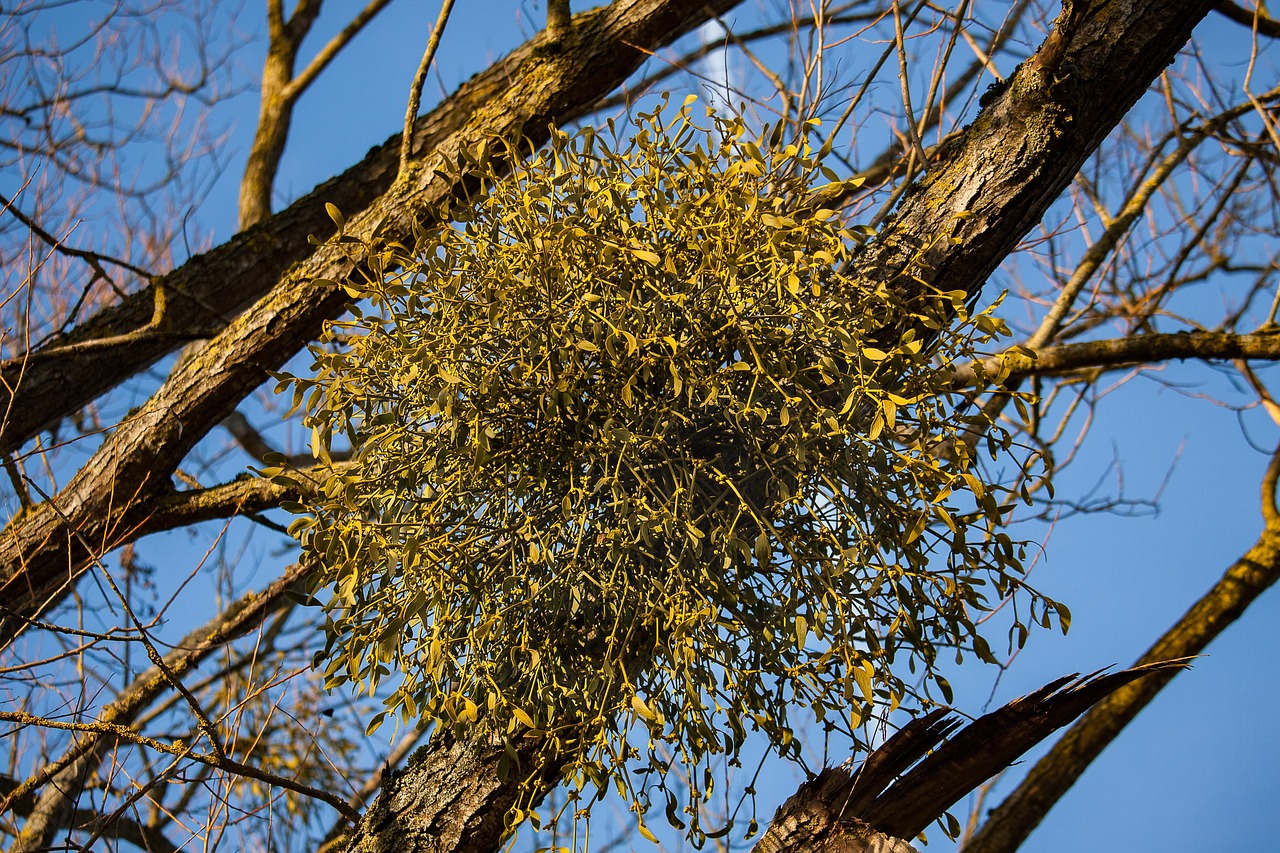
- Mistletoe and dead wood removal to improve tree health and safety.
Cuts are made just outside the branch collar, never as stubs, so the tree can close the wound on its own.
Signs Your Tree Needs Trimming
- A young tree with two or more competing tops or tight, V-shaped forks.
- Branches rubbing the roof, siding or a fence.
- Dead or broken limbs, especially after a storm.
- Mistletoe clumps visible in the canopy in winter.
- A dense, heavy crown that catches wind and drops large amounts of leaves into gutters.
Why Trees Here Need Regular Pruning
The long growing season in the Sacramento Valley lets many trees put on a lot of growth each year, especially when they are irrigated alongside a lawn. Without pruning, they develop heavy outer limbs and crowded centers. In newer subdivisions, nursery trees are often planted with weak structure that becomes a problem as they grow. Mistletoe is widespread in the area and gradually weakens infested branches. Summer heat and winter wind then expose every weakness.
How We Approach a Trimming Job
- Walk around the tree and pick out the cuts that will make the biggest difference.
- Protect the area, including lawns, beds, irrigation heads and fences.
- Climb or use pole tools depending on the tree’s size and access.
- Make the cuts in a planned order, lowering larger limbs carefully.
- Clean up, chipping branches and raking the yard.
Factors That Affect Trimming Cost
- The tree’s size and how much pruning is needed.
- Its age and condition, including dead wood and mistletoe load.
- Access, such as backyard gates or trees behind a pool.
- Nearby structures and lines that require extra care.
- How many trees are pruned during the same visit.
We give an exact figure after a free estimate visit at your home.
Timing can also affect the plan. Dormant-season pruning in late fall and winter is ideal for most deciduous trees, while summer is better reserved for light work such as removing dead or broken branches.
Trim or Remove?
Most trees are worth pruning when the trunk and roots are sound. Tree removal is the better choice when a tree is dead or dying, badly split, heavily decayed or simply too large for its spot, such as a big tree planted right against a foundation. We’ll explain what we see so you can decide.
What Happens Without Pruning
Unpruned trees accumulate dead wood, heavy limbs and weak forks. Over the years that leads to broken branches in storms, damaged roofs and fences, and larger, costlier work later. If a tree has already been removed, stump grinding clears what’s left.
Related services in Rancho Cordova